
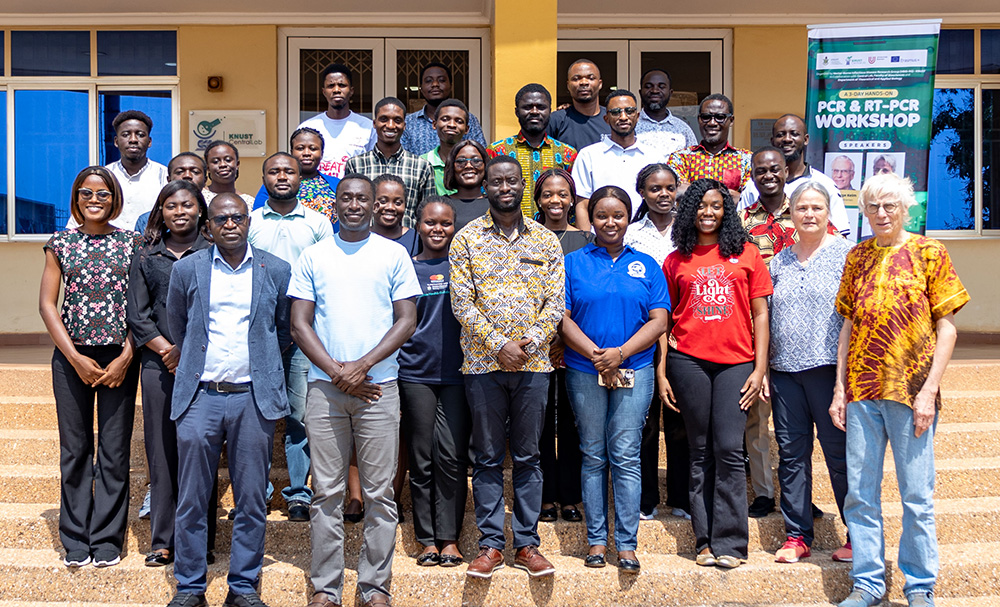
The Vector-Borne Infectious Disease Research Group (VBID-RG) has organised a three-day Polymerase Chain Reaction (PCR) and Real-Time PCR (RT-PCR) workshop aimed at equipping students with hands-on training in molecular biology techniques.
The initiative forms part of a long-standing partnership between the Kwame Nkrumah University of Science and Technology, Kumasi and the University of Bremen in Germany.
Participants were introduced to key laboratory procedures including DNA extraction, pipetting techniques, gel electrophoresis preparation, and the application of both conventional PCR and real-time PCR technologies.
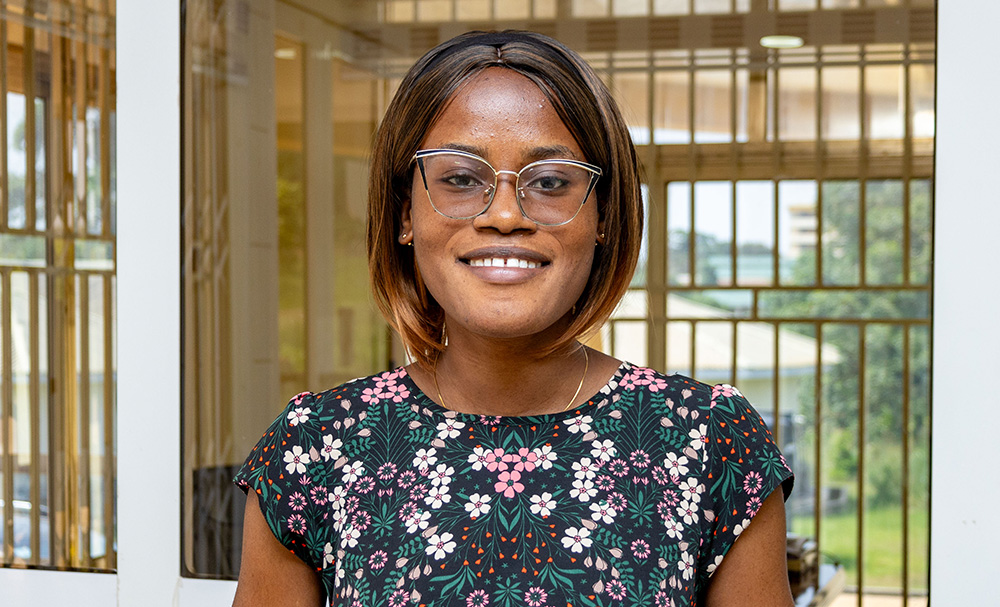
Richeal Nkrumah Arthur, one of the participants, said the workshop significantly expanded her practical skills and strengthened her interest in molecular biology.
“This workshop has really helped me to understand how we extract DNA from a cell and the right procedures and standard operating protocols has helped me understand how these processes should be done properly,” she said.
She explained that the training also helped her understand the differences between conventional PCR and real-time PCR.
“With conventional PCR, you typically use gel electrophoresis to visualise results at the end of the amplification. But with real-time PCR, fluorescence allows you to visualise the amplification as it occurs,” she noted.
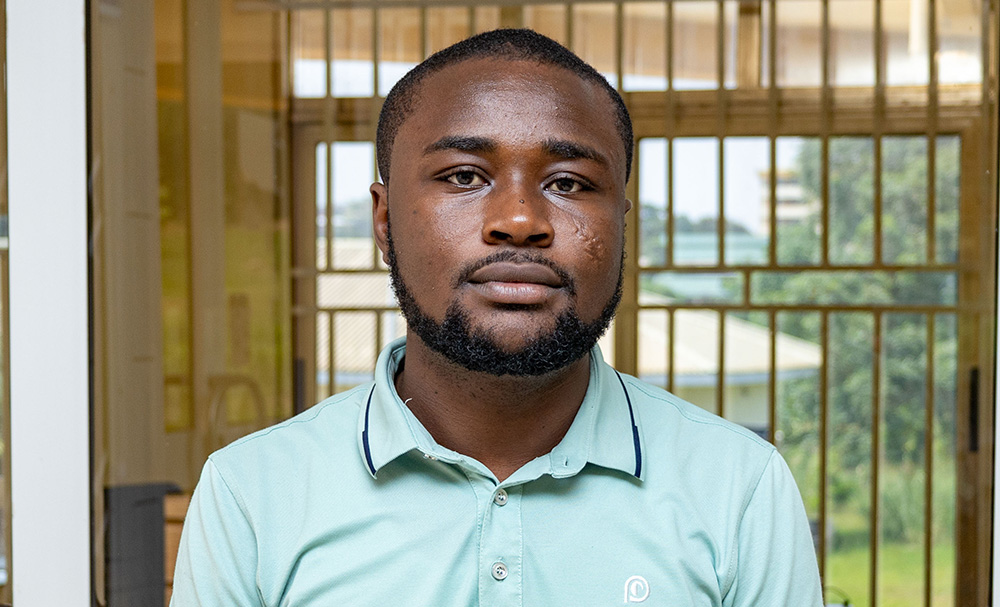
Another participant, David Kwarteng Opoku, an MPhil Parasitology student, described the workshop as highly practical and impactful for ongoing research.
“This workshop has been very hands-on. I gained practical experience in dealing with both conventional PCR and the more advanced quantitative or real-time PCR,” he said.
He explained that beyond the technical procedures, the training helped him understand the scientific principles behind the techniques.
“I now understand the principles behind DNA replication and how experiments are designed to mimic these processes outside a living system. It means we are not just working blindly in the laboratory but can critically analyse and troubleshoot experiments when challenges arise,” he added.
According to him, the skills acquired will help researchers select the most appropriate molecular techniques for their studies and improve the quality of their research outputs.
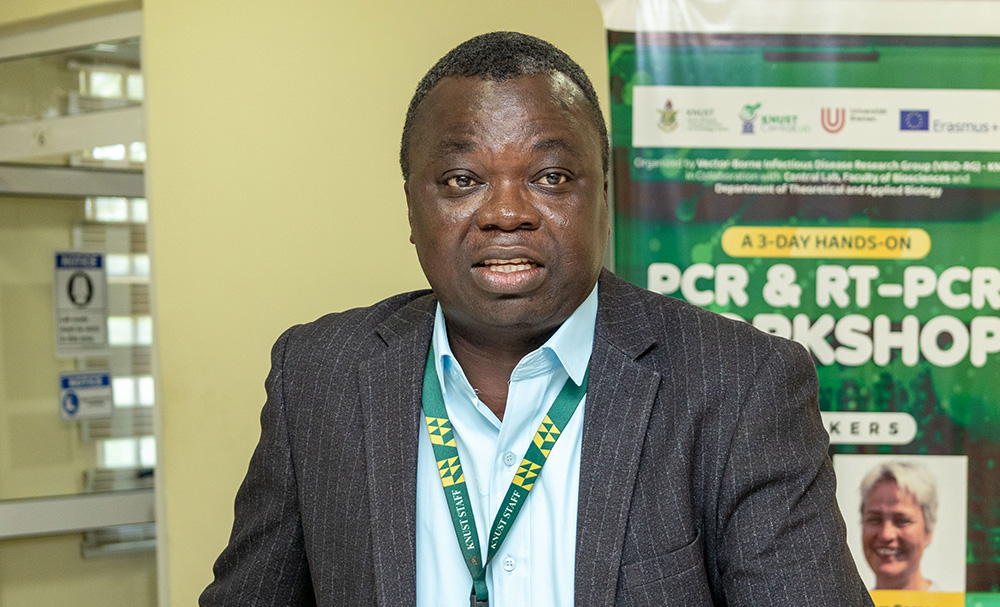
The Head of the Department of Theoretical and Applied Biology, Professor Alexander Anning, commended the organisers and facilitators for providing students with practical exposure that complements classroom teaching.
“As a department we are happy to be associated with this workshop. We are especially grateful to the facilitators for the time they have spent putting this training together,” he said.
Professor Anning noted that feedback from participants showed the training had been beneficial.
He encouraged participants to view the workshop as the beginning of a broader learning journey in molecular techniques.
“PCR is an important tool. Continue to develop your skills and apply them in your research so that your work can have real impact,” he stated.
Professor Anning further revealed that the department has taken steps to strengthen its research capacity by acquiring PCR equipment and expressed its readiness to support similar training initiatives in the future.
Story | Photos: Michael Kwawu.


